Textured Paint vs Regular Paint: Pros, Cons & Cost Comparison
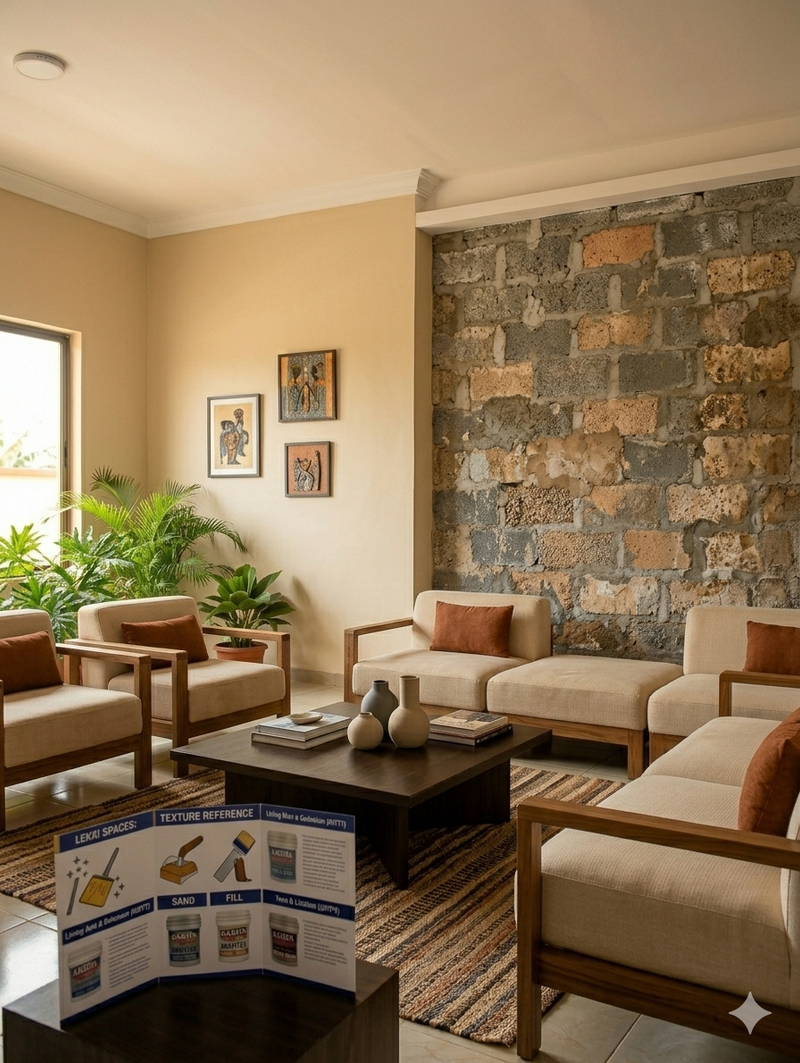
Walk through any upscale estate in Lagos, Abuja, or Port Harcourt and you'll notice a trend: textured walls. From fine sand-like finishes to bold stone patterns, textured paint has become the go-to for homeowners who want their interiors to make a statement.
But is textured paint actually better than regular paint? Or is it just an expensive trend? Let's break it down objectively.
What Is Textured Paint?
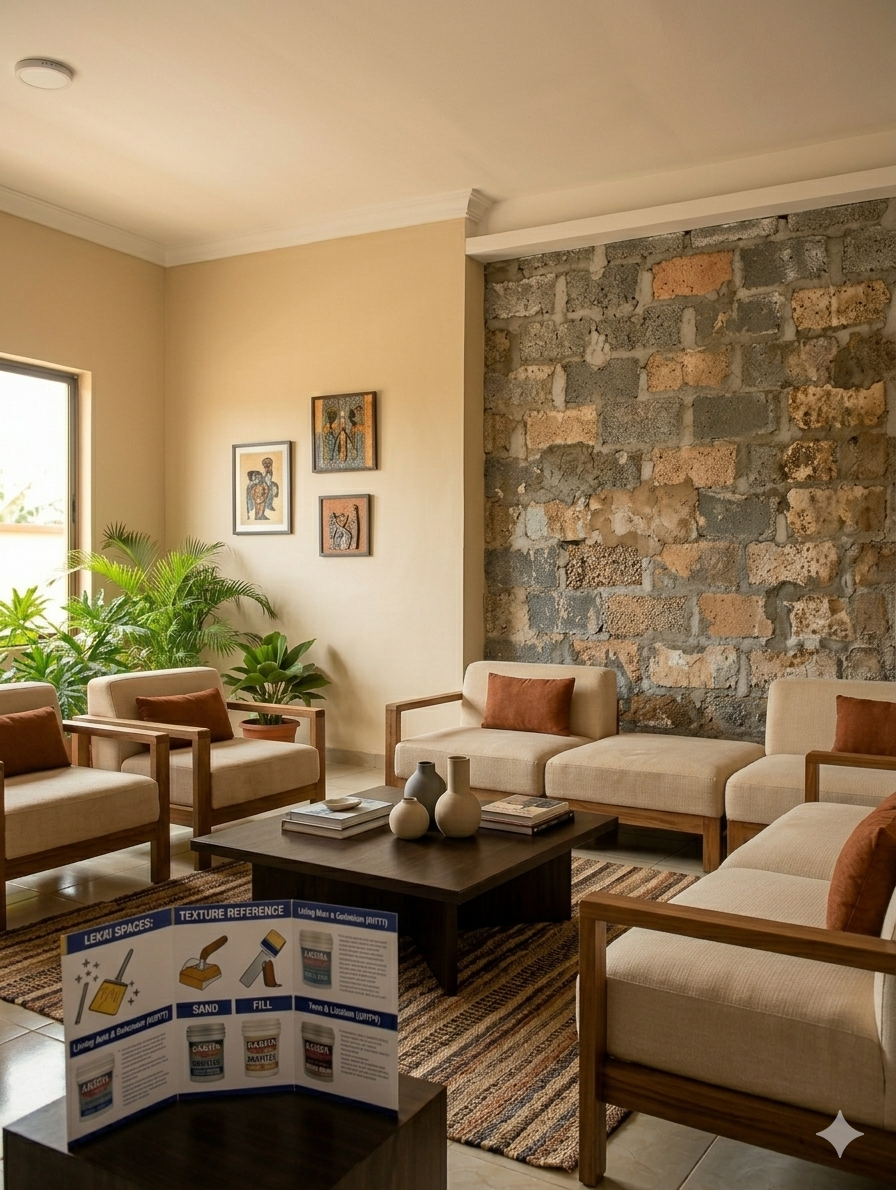
Textured paint is a thick, heavily-bodied coating that creates a three-dimensional pattern on walls. Unlike regular paint that dries to a smooth, flat surface, textured paint leaves a raised, tactile finish.
Types of Textured Finishes
| Finish Type | Description | Best For |
|---|---|---|
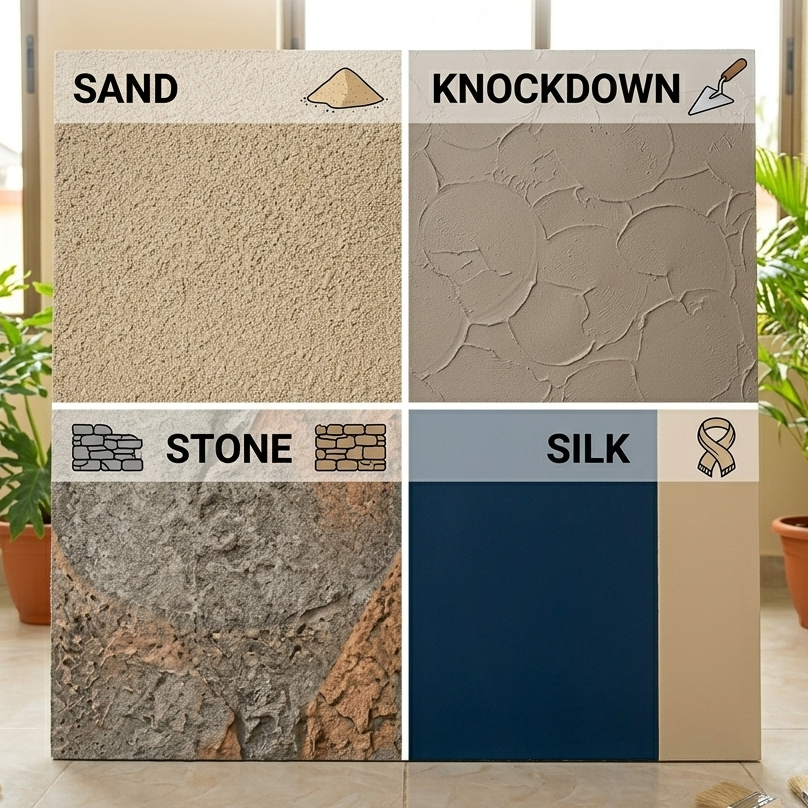
| Sand finish | Fine granular texture, subtle | Living rooms, bedrooms |
| Knockdown | Flattened peaks, modern look | Feature walls, lobbies |
| Popcorn / Artex | Heavy raised bumps | Ceilings (hiding imperfections) |
| Stone / Granite | Multi-coloured flecks mimic stone | Exterior feature walls, pillars |
| Silk / Metallic | Smooth with shimmer | Accent walls, luxury interiors |
| Roller texture | Pattern created during application | Budget-friendly DIY texture |
What Is Regular Paint?
Regular paint (also called flat or smooth paint) is the standard wall coating most homes use. It includes:
- Emulsion paint — water-based, for interior and exterior walls
- Satin/Silk emulsion — slight sheen, wipeable
- Matt emulsion — no sheen, hides surface imperfections
Regular paint dries to a smooth, even surface. The focus is on colour and uniformity rather than texture.
Head-to-Head Comparison
1. Appearance & Aesthetics
Textured paint adds depth and visual interest. It catches light differently across the surface, creating subtle shadow effects. A textured accent wall can be the centrepiece of a room.
Regular paint provides clean, crisp colour coverage. Modern minimalist and Scandinavian-inspired designs typically favour smooth walls with bold or neutral colours.
Verdict: Depends on your style. Textured for drama and character; regular for clean lines and simplicity.
2. Hiding Wall Imperfections
This is where textured paint shines. The raised patterns effectively camouflage:
- Minor cracks
- Uneven surfaces
- Patchy plastering
- Old repair marks
Regular paint, especially in glossier finishes, tends to highlight imperfections by reflecting light off them.
Verdict: Textured paint wins for imperfect walls. If your blocks aren't perfectly rendered, texture is your friend.
3. Cost
Here's where the conversation gets real for Nigerian homeowners:
| Factor | Regular Paint | Textured Paint |
|---|---|---|
| Paint cost (per 20L) | ₦15,000 – ₦40,000 | ₦25,000 – ₦80,000 |
| Coverage per litre | 8–12 m² | 3–6 m² |
| Coats needed | 2–3 | Usually 1–2 |
| Labour cost | Standard | 30–50% more |
| Total for a room | ₦30,000 – ₦60,000 | ₦60,000 – ₦150,000 |
Textured paint costs roughly 2–3x more than regular paint for the same room. The paint itself is pricier, it covers less area per litre (since a thicker layer is applied), and skilled labour is more expensive.
Verdict: Regular paint is significantly cheaper. Textured paint is a premium option.
4. Durability
Textured paint forms a thicker film on the wall, which generally means:
- Better resistance to minor knocks and scuffs
- Can last 7–10 years before needing repainting
- More resistant to hairline cracks appearing
Regular emulsion paint typically lasts:
- 3–5 years for interior walls
- 2–4 years for exterior walls (depending on quality)
Verdict: Textured paint lasts longer, which can offset some of the higher initial cost.
5. Maintenance & Cleaning
This is the hidden downside of textured paint:
- Dust collects in the grooves and raised areas
- Cleaning requires brushing or vacuuming, not just wiping
- Cobwebs stick more easily
- Repainting over texture requires either matching the exact pattern or sanding it off first
Regular paint is much easier to maintain:
- Wipe with a damp cloth (satin/silk finishes)
- Easy to touch up scratches or marks
- Simple to repaint with a different colour
Verdict: Regular paint is far easier to maintain, especially in Nigeria's dusty environments.
6. Application
Regular paint: Any competent painter can apply it. Brush, roller, or spray — the technique is straightforward. DIY-friendly.
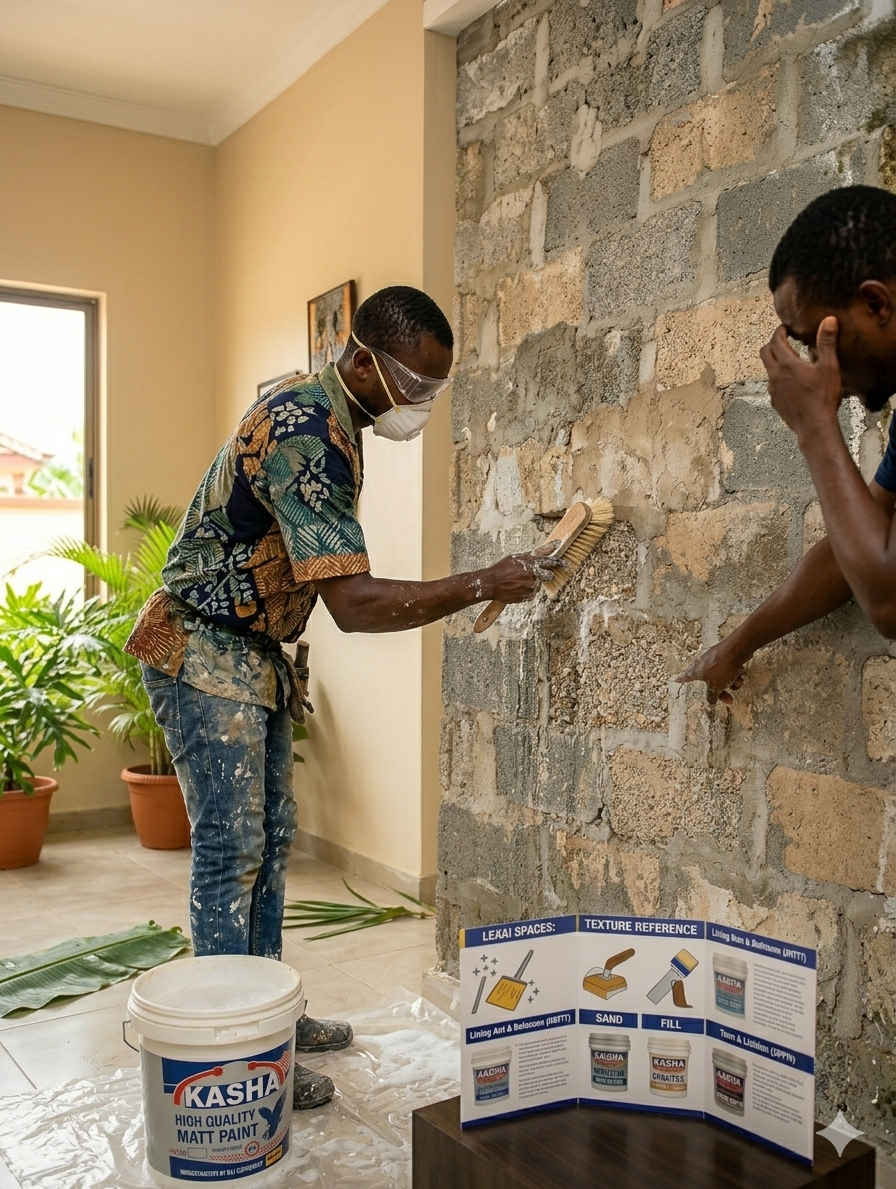
Textured paint: Requires skill and experience. The pattern must be consistent across the entire wall. Mistakes are very visible and hard to fix once the paint starts drying. Most textured paints require specific tools — texture rollers, trowels, or spray guns.
Verdict: Regular paint is easier to apply (lower risk of a botched job).
7. Resale Value
Textured accent walls and well-executed interior textures can increase the perceived value of a property — buyers and renters notice the premium finish.
However, very bold or personalised textures might not appeal to everyone. Regular painted walls are neutral and inoffensive.
Verdict: Subtle texture (sand, silk) adds value. Heavy texture is a matter of taste.
When to Choose Textured Paint
Choose textured paint when:
- You have an accent wall or feature wall to highlight
- The wall surface is imperfect and you want to hide flaws without expensive re-rendering
- You want a premium, designer look for a living room, lobby, or master bedroom
- You're building long-term and want durability
- Budget allows for the premium
When to Choose Regular Paint
Choose regular paint when:
- You're painting the entire house and need to manage costs
- You prefer clean, modern aesthetics
- You want easy maintenance (especially with children)
- You plan to change colours frequently
- You're painting rental property (cost-effectiveness matters)
The Best of Both Worlds
Here's what we recommend to most clients: use both strategically.
- Paint most walls with quality regular emulsion
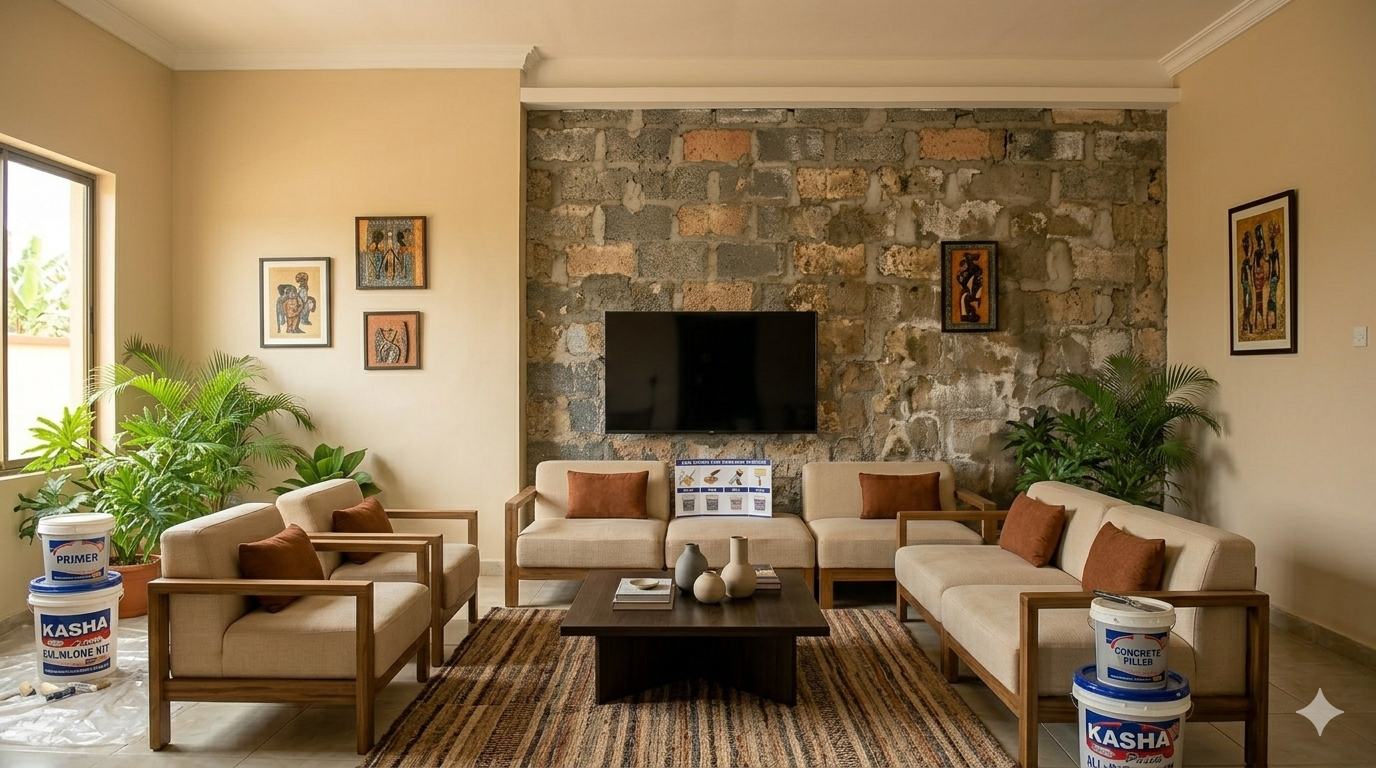
- Use textured paint on one accent wall per room — typically the wall behind the TV, headboard, or dining area
- Use textured paint on exterior pillars and fence walls where durability matters
This approach gives you the visual impact of texture while keeping overall costs reasonable.
Popular Textured Paint Brands Available in Nigeria
| Brand | Popular Product | Price Range (20L) |
|---|---|---|
| Dulux | Weathershield Textured | ₦40,000 – ₦65,000 |
| Berger | Textura / Luxacoat | ₦30,000 – ₦55,000 |
| Sandtex | Textured Masonry | ₦35,000 – ₦50,000 |
| CAP | Texcote | ₦25,000 – ₦40,000 |
| Kasha | Custom Textured Mix | Budget-friendly |
Talk to Us
Not sure which option is right for your space? We offer free consultations and can bring textured paint samples to your home.
- View our full product range
- Request a quote — include room photos for the best recommendation
- WhatsApp us — we'll respond within 24 hours
Kasha Paints — Giving value to your money.