Emulsion vs Gloss Paint: Which Should You Use Where?
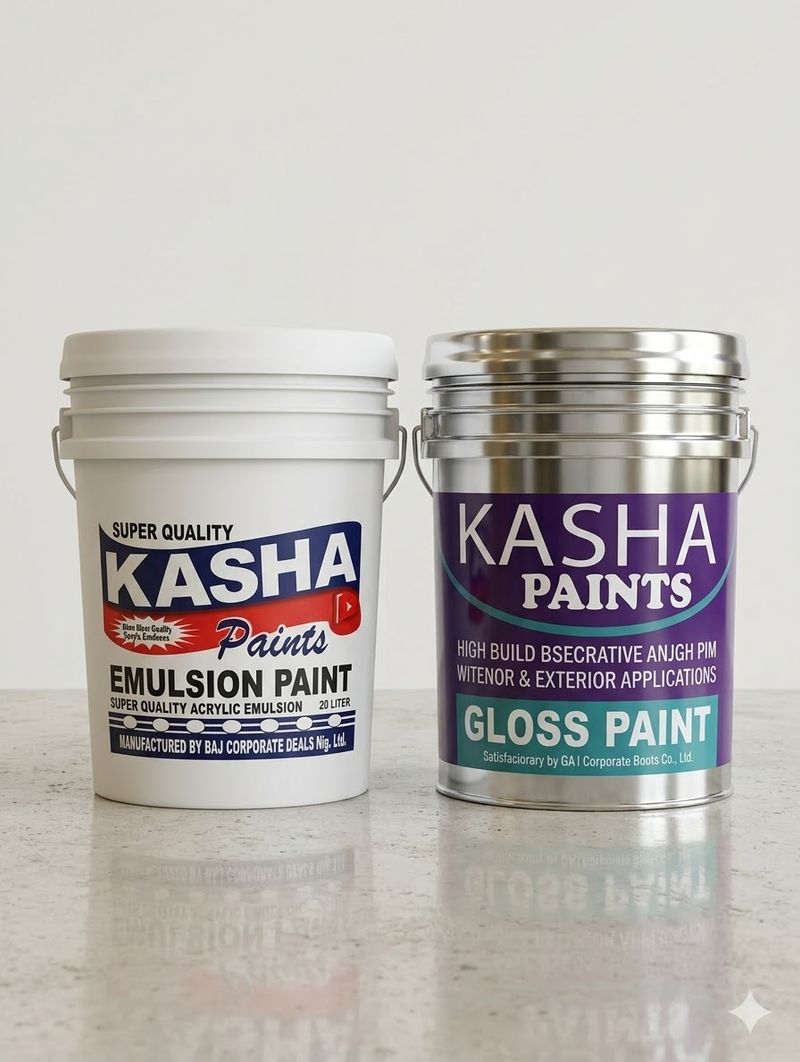
Walk into any paint shop in Nigeria and you'll hear two words more than any other: _emulsion_ and _gloss_. These are the two main categories of paint used in building projects, and each has a very specific purpose.
Using the wrong one in the wrong place is a common — and costly — mistake. In this guide, we'll explain exactly what each type is, where to use it, and how to get the best results.
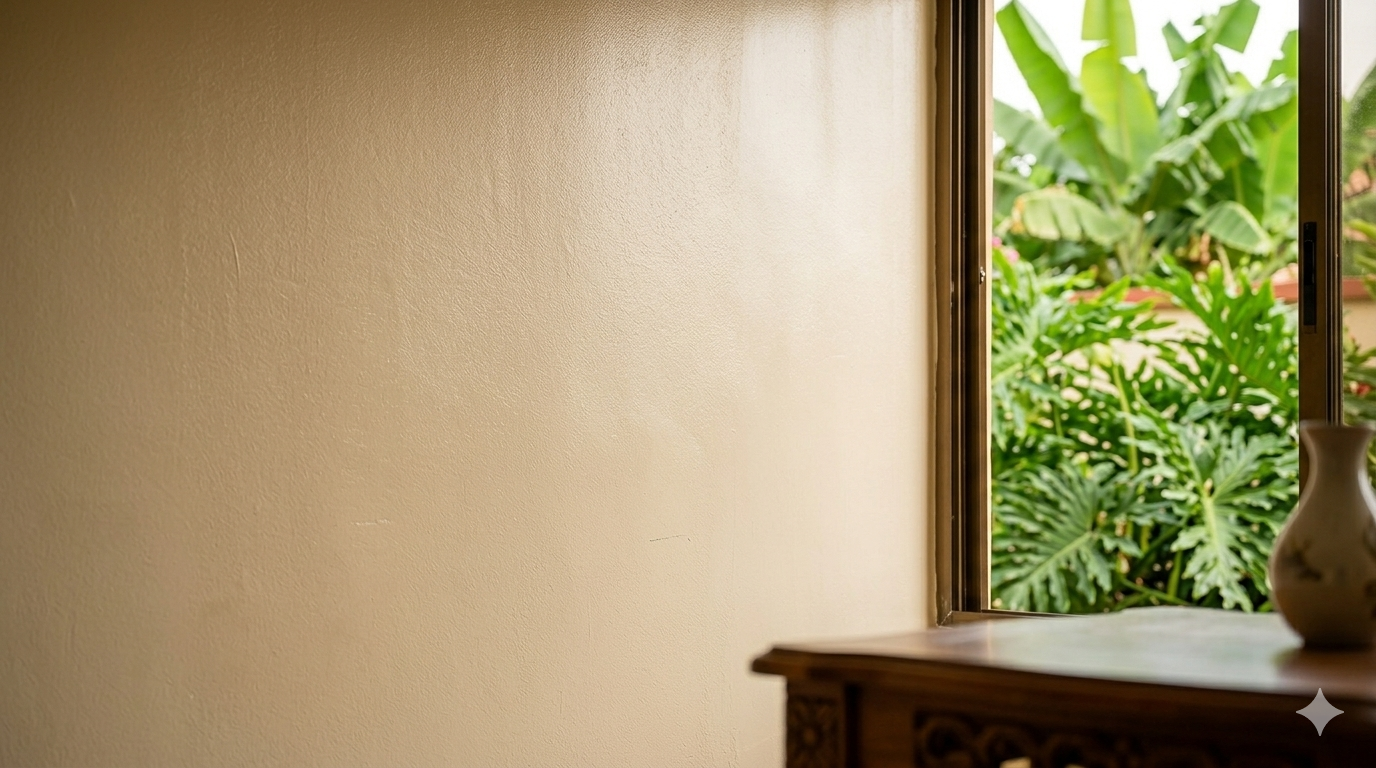
What Is Emulsion Paint?
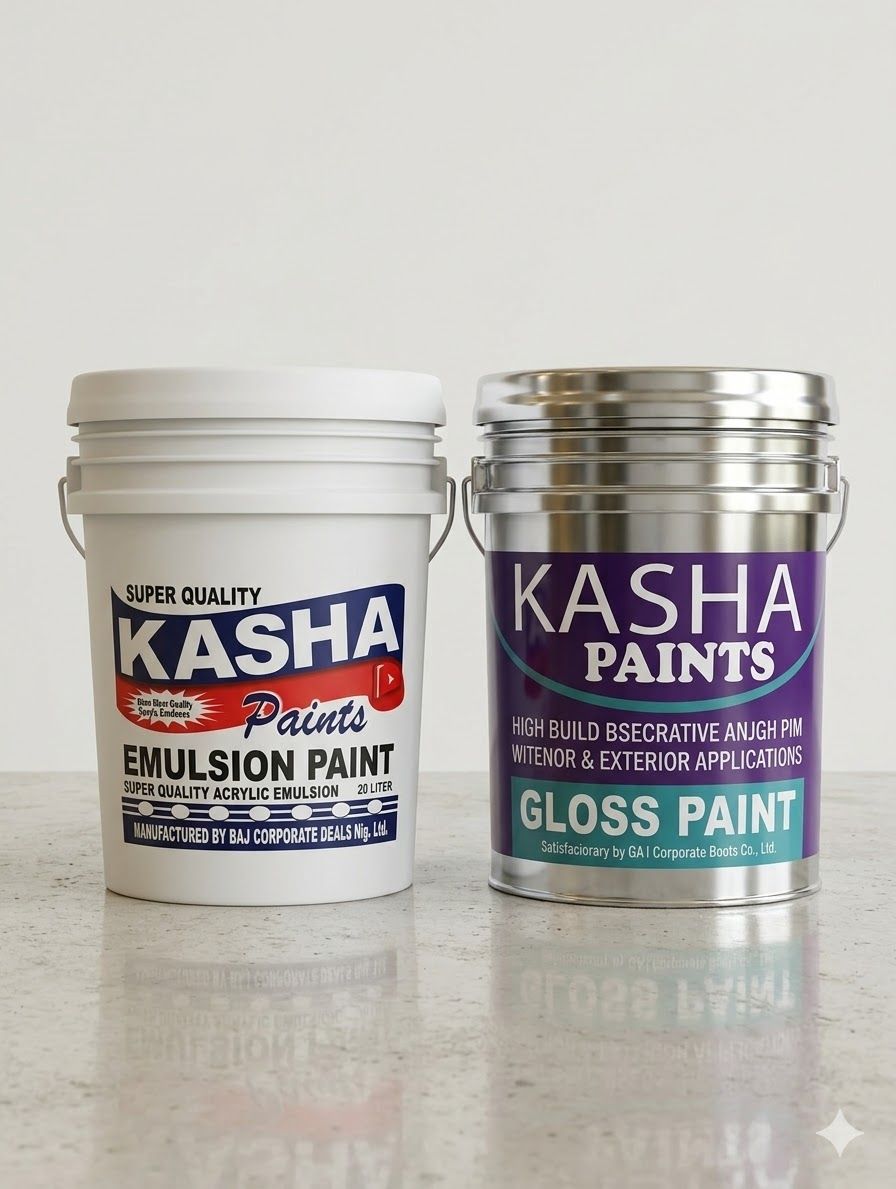
Emulsion paint is a water-based paint used primarily on walls and ceilings. It's the paint you see in the biggest buckets at the store — the 4-litre, 10-litre, and 20-litre buckets.
Key Characteristics:
- Water-based — cleans up with water, low odour
- Dries quickly — typically 1–2 hours between coats
- Breathable — allows moisture vapour to pass through, reducing blistering
- Available in multiple finishes — matt, silk, satin, and textured
- Wide colour range — easily tinted to any colour
Types of Emulsion:
| Type | Finish | Washability | Best For |
|---|---|---|---|
| Matt Emulsion | Flat, non-reflective | Low | Ceilings, low-traffic rooms |
| Silk Emulsion | Soft sheen | High | Living rooms, bedrooms, hallways |
| Satin Emulsion | Subtle shine | High | Kitchens, bathrooms, children's rooms |
| Textured Emulsion | Rough/sandy | Moderate | Exterior walls, feature walls |
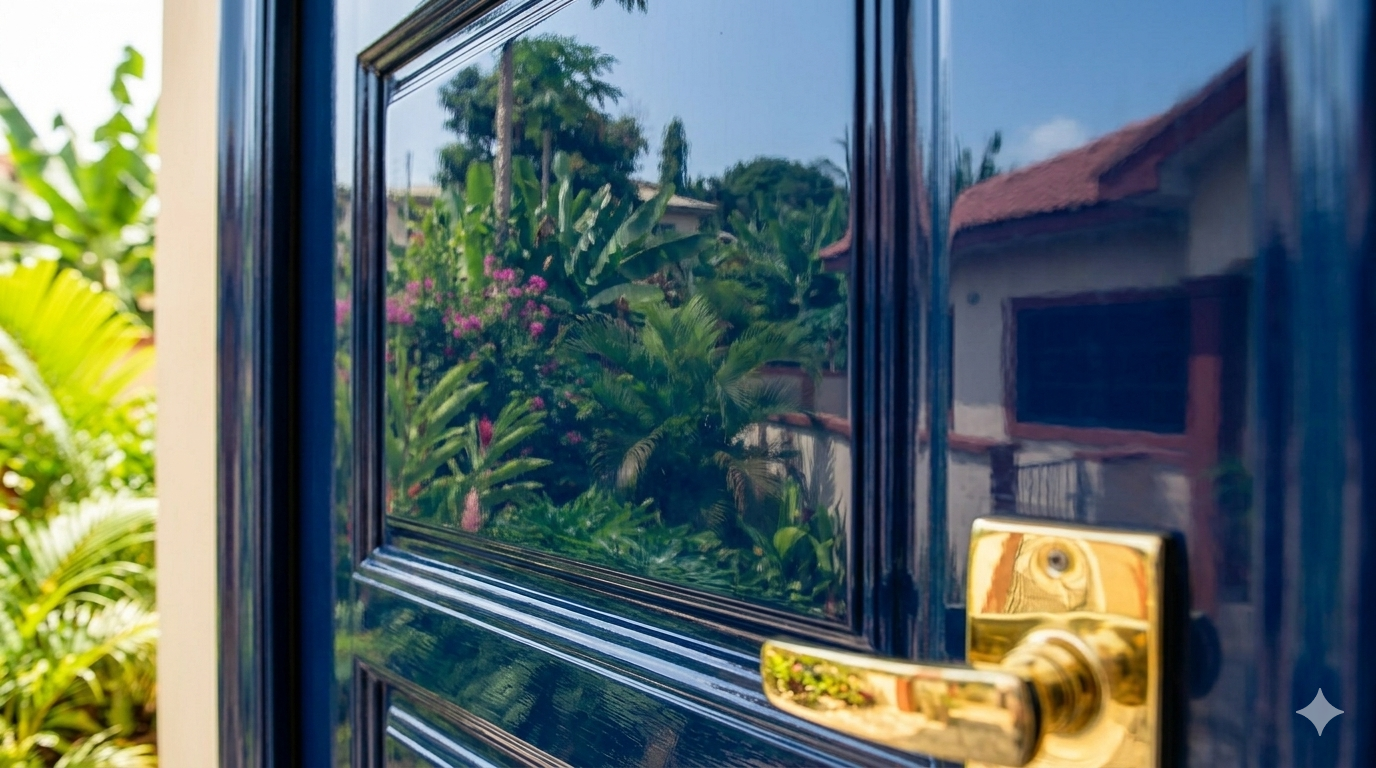
What Is Gloss Paint?
Gloss paint is an oil-based (or alkyd-based) paint that dries to a hard, shiny finish. It comes in smaller tins — typically 1-litre and 4-litre sizes.
Key Characteristics:
- Oil-based — requires paint thinner/turpentine for cleaning
- Strong odour — needs good ventilation during application
- Slow drying — 6–24 hours between coats
- Extremely durable — hard, scratch-resistant surface
- Very washable — stains wipe off easily
- Moisture resistant — repels water effectively
Types of Gloss:
| Type | Finish | Sheen Level | Best For |
|---|---|---|---|
| High Gloss | Mirror-like shine | Very high | Metal gates, railings, front doors |
| Satin Enamel | Soft shine | Medium | Interior doors, window frames, cabinets |
| Eggshell | Very subtle shine | Low-medium | Trim work where high gloss is too much |
Head-to-Head Comparison
| Feature | Emulsion | Gloss |
|---|---|---|
| Base | Water | Oil/Alkyd |
| Main use | Walls and ceilings | Doors, frames, metalwork |
| Drying time | 1–2 hours | 6–24 hours |
| Odour | Low | Strong |
| Cleanup | Water and soap | Thinner/turpentine |
| Durability | Good (depends on type) | Excellent |
| Flexibility | Good | Lower (can crack on expanding surfaces) |
| Moisture resistance | Moderate–Good | Excellent |
| Coverage | 10–12 m² per litre | 12–16 m² per litre |
| Cost (per litre) | ₦750–₦2,500 | ₦2,000–₦4,000 |
| Environmental impact | Lower VOCs | Higher VOCs |
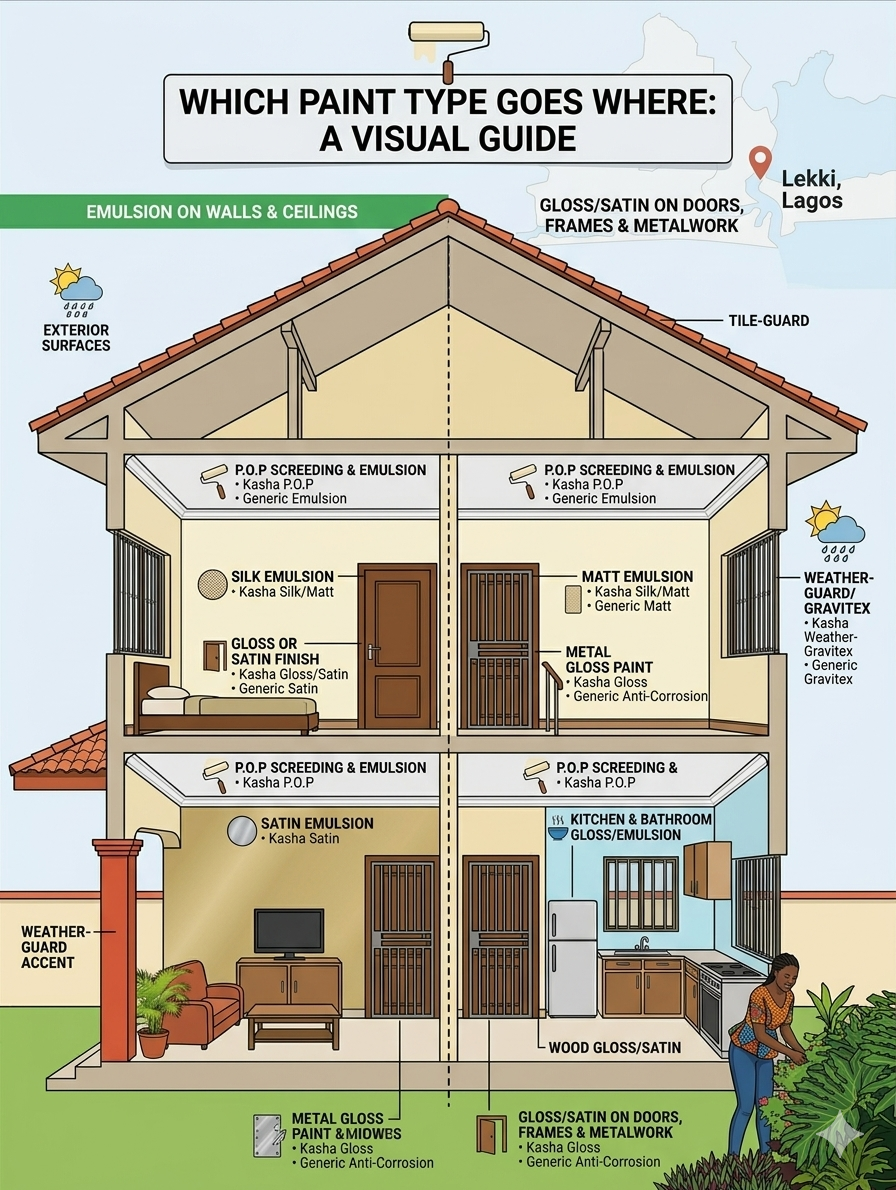
Where to Use Each: Room-by-Room Guide
Living Room
- Walls: Silk emulsion ✓
- Ceiling: Matt emulsion ✓
- Doors: Gloss or satin enamel ✓
- Window frames: Gloss ✓
Bedroom
- Walls: Silk or matt emulsion ✓
- Ceiling: Matt emulsion ✓
- Wardrobe (if painted): Satin enamel ✓
Kitchen
- Walls: Satin emulsion ✓ (moisture-resistant)
- Ceiling: Matt emulsion ✓
- Cabinets: Gloss or satin enamel ✓
- Metal surfaces: Gloss ✓
Bathroom/Toilet
- Walls: Satin emulsion ✓ (must be moisture-resistant)
- Ceiling: Satin emulsion ✓
- Door: Gloss ✓
Exterior
- Walls: Weather-guard emulsion ✓
- Metal gate: Gloss ✓ (with anti-rust primer)
- Burglar-proof bars: Gloss ✓
- Wooden fascia: Gloss or satin enamel ✓
Common Mistakes to Avoid
1. Using Gloss on Walls
Gloss on walls creates a mirror-like surface that highlights every imperfection — bumps, patches, trowel marks. It also doesn't breathe, trapping moisture behind the paint and causing blistering. Always use emulsion on walls.
2. Using Emulsion on Metal
Water-based emulsion doesn't adhere well to metal and offers zero rust protection. Metal surfaces need oil-based gloss with an appropriate primer. Always use gloss on metal.
3. Skipping Primer Before Gloss
Gloss paint on bare wood or metal without primer leads to poor adhesion and early peeling. Always apply a primer or undercoat first.
4. Mixing the Two
Don't apply gloss over emulsion or vice versa without proper preparation. The different bases don't bond well together. If switching types, sand the surface and apply a suitable primer first.
Pro Tips for Best Results
For Emulsion:
- Dilute the first coat 10–15% with clean water for better penetration on new walls
- Use a roller for large wall areas and a brush for cutting in at edges
- Apply at least 2 coats (3 for darker colours over light backgrounds)
- Keep the room ventilated for faster drying
For Gloss:
- Sand lightly between coats for the smoothest finish
- Use a quality brush — cheap brushes leave bristle marks in gloss
- Apply thin coats rather than one thick coat (prevents runs and drips)
- Allow full curing time (48–72 hours) before heavy use
Our Recommendation
For a typical Nigerian home or flat, you'll need both emulsion and gloss:
- Kasha Silk Emulsion for interior walls — beautiful finish, washable, durable
- Kasha Matt Emulsion for ceilings — clean flat finish
- Kasha Weatherguard for exterior walls — weather-resistant emulsion
- Kasha Gloss Finish for all doors, frames, gates, and metalwork
- Kasha Universal Primer under both emulsion and gloss
Check our full colour chart and find the perfect shade for every surface.
Summary
- Emulsion = walls and ceilings (water-based, fast-drying, breathable)
- Gloss = doors, frames, metalwork (oil-based, durable, shiny)
- Never swap them — each is engineered for its specific purpose
- Use primer before both types for the best adhesion and result
Need advice on your project? Chat with us on WhatsApp, and we'll recommend exactly what you need.
Kasha Paints — Giving value to your money.